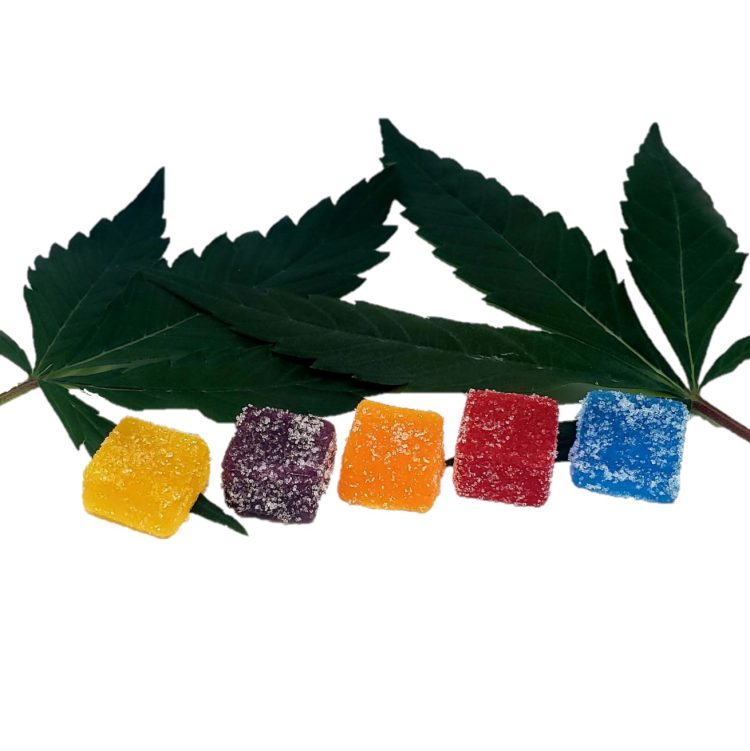
In states where recreational or medical marijuana use is legal, cannabis dispensaries offer a wide indacloud range of delta-9-tetrahydrocannabinol (delta-9 THC) products. Delta-8-tetrahydrocannabinol (delta-8 THC)—a less potent cannabis compound with similar psychoactive effects as delta-9 THC—is also legal in several states.
Delta-8 THC and delta-9 THC come from the cannabis sativa plant, which naturally produces more than 100 cannabinoids, or active constituents. However, while the plant contains significant amounts of delta-9 THC, it contains very little delta-8 THC, a minor cannabinoid.
Depending on quality, quantity and other factors, both delta-8 THC and delta-9 THC can produce intoxicatingly psychoactive effects, or a “high.” In spite of their similarities, delta-8 THC and delta-9 THC also have important differences you should understand before consuming either substance.
Read on to learn more about delta-8 THC and delta-9 THC, their similarities and differences, potential risks and benefits, and more.
What Is Delta-8 THC?
Because cannabis sativa contains only a small amount of delta-8 THC, it’s typically manufactured in concentrated amounts from hemp-derived cannabidiol (CBD). While CBD doesn’t have any intoxicating effects, delta-8 THC has similar psychoactive properties to delta-9 THC, although it is generally less potent than delta-9.
Delta-8 THC products are available in many forms, including CBD gummies, chocolate and other candies, cookies, tinctures, vaping cartridges, infused drinks and even breakfast cereal.
Some manufacturers market delta-8 THC products as treatments or cures for medical conditions; however, the Food and Drug Administration (FDA) has neither evaluated nor approved these claims. In fact, in May 2022, the FDA issued warning letters to five manufacturers of delta-8 THC products for violating the Federal Food, Drug, and Cosmetic Act.
The warning letters address misbranding, such as not providing adequate instructions for use, illegal marketing of products as treatments for medical conditions or other therapeutic uses and adding delta-8 THC to foods, such as gummies, chocolate and other consumables.
Potential Benefits of Delta-8 THC
Making general statements about whether using cannabis is good or bad doesn’t paint an accurate picture of delta-8 THC or delta-9 THC, says Dave Gordon, M.D., a double-board certified integrative and functional medicine physician with expertise in cannabis therapeutics and advisory board member for Leaf411, an online resource for using cannabis safely and effectively.
What Is Delta-9 THC?
Delta-9 THC is the major naturally-occurring intoxicating component of the cannabis plant. When someone smokes or consumes delta-9 THC beyond a certain threshold, they typically experience a “high.”
In states where delta-9 THC is legal, cannabis dispensaries offer delta-9 THC products in many forms, including gummies, cookies, candies, infused beverages, tinctures, vaping cartridges, topical lotions and pre-rolled “joints.”
Some manufacturers market delta-9 THC products as able to treat or mitigate symptoms of certain medical conditions or diseases. However, the FDA has approved only two synthetic THC formulations—dronabinol and nabilone, which are used to alleviate chemotherapy-induced nausea and vomiting. Nabilone is also used to increase appetite in patients with AIDS.
Potential benefits of consuming delta-9 THC may include:
Relaxation
Decreased anxiety
Increased appetite
Feelings of happiness or exhilaration
Heightened imagination
Improved sensory perception
Studies show using delta-9 THC may have therapeutic benefits for certain conditions, including nausea and vomiting associated with chemotherapy, seizure disorders, chronic pain, spasticity associated with multiple sclerosis (MS) and sleep disorders in people with other chronic conditions, says Dr. Gordon.
“While we don’t have definitive proof that delta-9 THC or other cannabinoids are [the] clear reason for the effects, patients in structured medical cannabis programs repeatedly show benefits in the conditions mentioned above. Also, [benefits are seen in people with] depression, anxiety, post-traumatic stress disorder (PTSD), neurodegenerative disorders, seizures, autism and autoimmune diseases, just to name a few,” he adds.
Research on long-term use of delta-9 THC and its effects on sleep is limited, with some studies showing improvement in sleep patterns and others indicating that chronic delta-9 THC use can have the opposite effect, disrupting sleep and delaying sleep onset.
 Site Title
Leave a comment